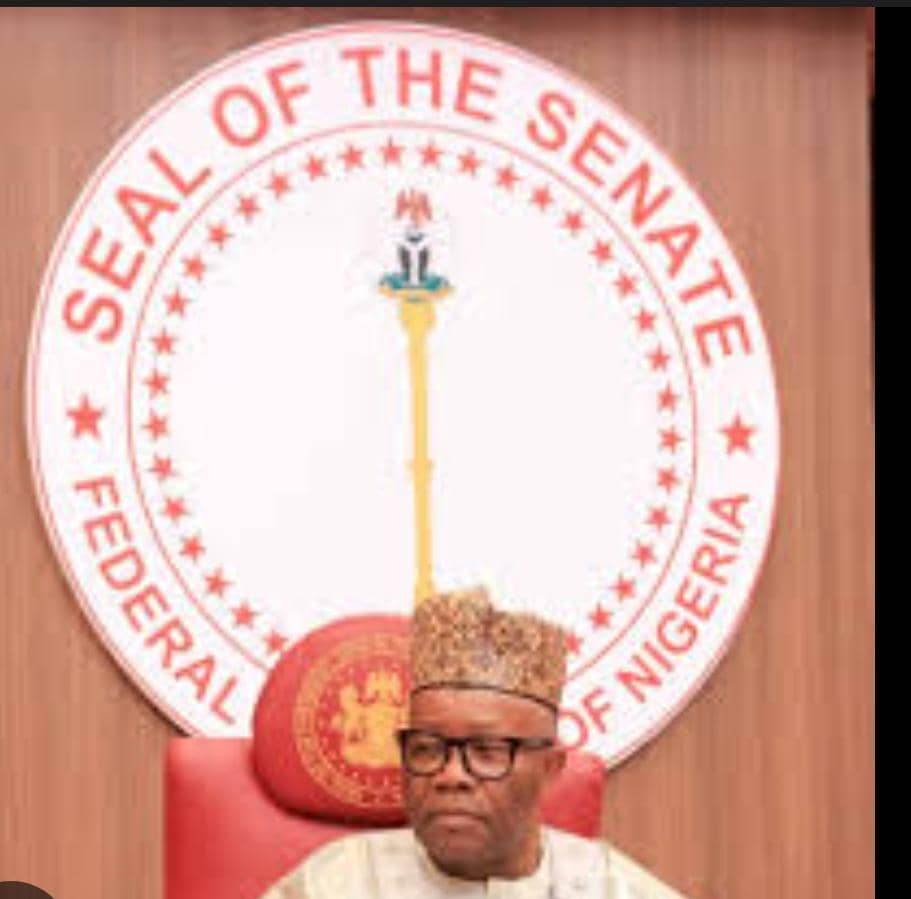
The Senate has reaffirmed its resolve to conclude amendments to the 1999 Constitution that would permit the establishment of state police before the end of 2026, signalling renewed legislative momentum on one of Nigeria’s most debated security reforms.
The Senate spokesman, Yemi Adaramodu, disclosed that work on the constitutional review would resume immediately plenary reconvenes next week, following President Bola Tinubu’s formal request to the National Assembly to commence the amendment process as part of measures to address rising insecurity nationwide.
The President, while addressing lawmakers during an interfaith breaking of fast at the Presidential Villa, urged legislators to urgently consider constitutional changes that would enable states to play a more active role in securing lives and property. He later reiterated the call before members of the House of Representatives, stressing that the proposed state police framework must include strict safeguards to prevent abuse of power by state governors.
Adaramodu said the Senate was prepared to fast-track the process, noting that substantial groundwork had already been completed before legislative attention shifted to electoral reforms and budgetary considerations. He assured Nigerians that the amendment would be finalised ahead of the next general election, allowing sufficient time for implementation.
According to him, extensive consultations have been conducted nationwide, including stakeholder engagements across geopolitical zones, with reports and recommendations already compiled by the constitution review committee. He added that state police enjoys broad national support, cutting across the executive, state governments and the legislature.
Meanwhile, key socio-political and interest groups have cautioned lawmakers against leaving loopholes that could enable misuse of state police by political leaders. The Miyetti Allah Cattle Breeders Association of Nigeria and the Pan-Yoruba group, Afenifere, both called for robust constitutional safeguards, balanced recruitment processes and effective oversight mechanisms to prevent ethnic, religious or political domination.
They argued that while decentralised policing could help address manpower shortages and improve local security responses, unchecked control by state authorities could deepen political tensions if not properly regulated.
An All Progressives Congress chieftain, Ayodele Arise, also advocated wide public enlightenment on the proposed reform, suggesting that policing be moved to the Concurrent List to allow both federal and state authorities operate side by side under clear constitutional boundaries.
With the Senate pledging urgency and stakeholders demanding caution, the proposed state police amendment is set to dominate legislative discourse in the months ahead as Nigeria searches for lasting solutions to its security challenges.