Germany has confirmed that the $2.3 billion Siemens power agreement with Nigeria, initiated under former President Muhammadu Buhari, remained largely inactive until President Bola Tinubu revived it upon assuming office.
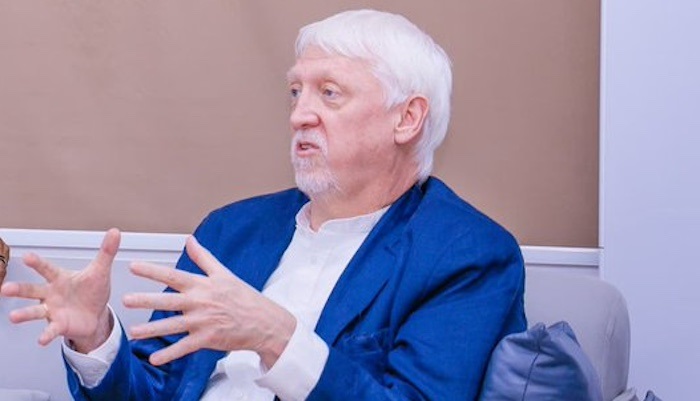
Speaking at the Sub-Saharan Africa International Petroleum Exhibition and Conference (SAIPEC) in Lagos, Germany’s Deputy Head of Mission in Nigeria, Johannes Lehne, said the government-to-government deal only gained traction under the current administration.
The Presidential Power Initiative (PPI), designed to rehabilitate Nigeria’s transmission and distribution infrastructure and boost generation capacity, had set phased targets of 7,000 megawatts by 2021 and 11,000 MW by 2023, with a long-term goal of 25,000 MW. However, progress stalled before being reactivated.
Lehne noted that Germany has since deepened energy collaboration with Nigeria, including support for renewable energy and gas development, stressing that global energy policy now reflects “energy addition” rather than outright transition.
He added that Germany is open to importing gas from Nigeria as part of its diversification strategy, especially after lessons from the Russia-Ukraine crisis.
Meanwhile, the Nigerian Upstream Petroleum Regulatory Commission (NUPRC) said Nigeria’s challenge lies not in gas reserves—estimated at over 210 trillion cubic feet—but in converting them into economic value. Current production stands at about 7.5 billion cubic feet per day, far below the country’s potential.
Officials said reforms under the Petroleum Industry Act have improved fiscal clarity and reduced royalties to attract investment into the gas sector.