

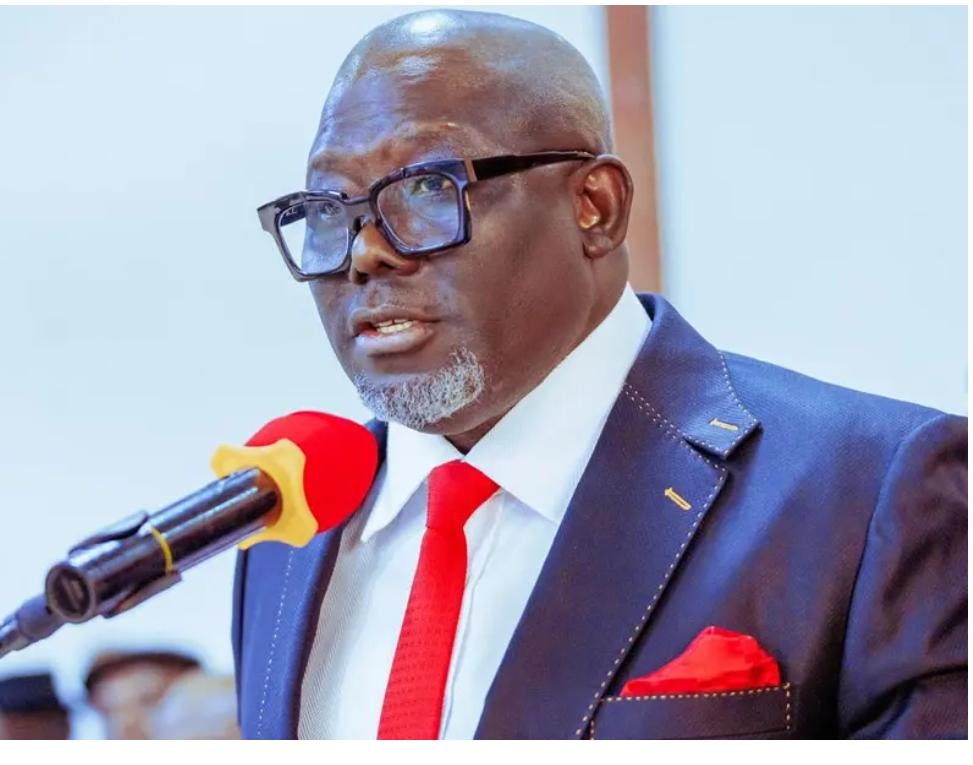
Governor Sheriff Oborevwori has reaffirmed the Delta State Government’s commitment to economic diversification, declaring that sustainable development can only be achieved through strategic partnerships with the private sector and investors.
Speaking at the closing session of the second day of the 2026 Delta State Economic and Investment Summit in Asaba, the governor described the summit as a major success, attributing its outcome to the active participation of investors, development partners, exhibitors and other stakeholders from within and outside Nigeria.
Oborevwori said the impressive turnout of participants and exhibitors reflected growing confidence in Delta State as an attractive investment destination.
The governor, who toured exhibition stands during the summit, assured prospective investors that his administration would continue to provide an enabling business environment through investor-friendly policies aimed at stimulating economic growth, creating employment opportunities and expanding the state’s economic base.
He stressed the need for Delta State to reduce its dependence on oil revenue by attracting investments into agriculture, manufacturing, technology, tourism and other productive sectors.
According to him, the economic summit was deliberately designed as a private sector-driven initiative rather than a government-centred programme, with the state’s role focused on creating the right environment for businesses to flourish.
Oborevwori expressed optimism that partnerships initiated during the summit would translate into concrete investments capable of accelerating the state’s development and improving the welfare of residents.
Participants at the summit also made far-reaching recommendations across the various thematic sessions.
Speaking during the agriculture, agribusiness and livestock session, former South-South Vice President of the Poultry Association of Nigeria, Chief Eta Enahoro, urged the state government to prioritise investments in poultry and fish production, describing the sectors as major drivers of employment and economic transformation.
Enahoro said strategic investments in livestock and aquaculture would not only reduce unemployment but also encourage entrepreneurship among young people, thereby reducing dependence on government jobs.
Also speaking, Brazilian agribusiness investor, Roberto Fonseca, unveiled plans to partner with the Delta State Government in developing a modern cattle and beef value chain.
Fonseca said the proposed partnership would cover cattle breeding, ranching, abattoirs, beef processing, cold storage facilities, refrigerated transportation and distribution networks. He noted that Delta State possesses climatic and environmental conditions similar to those that have made Brazil one of the world’s leading cattle and beef producers.
In the Blue Economy and Transport Infrastructure session, development expert, Dr. Uche Igwe, called on the state government to strengthen measures against illegal and unregulated fishing in its waterways to maximise the benefits of the blue economy.
Senior Advocate of Nigeria, Mr. Chukwudi Enebeli, advocated the establishment of a one-stop investment centre to provide legal, regulatory and administrative support for investors.
According to him, protecting investors is as important as attracting investment capital, stressing the need for institutional structures that would simplify Nigeria’s regulatory processes and minimise business risks.
Participants in the Solid Minerals and Mining session also urged the state government to establish a Solid Minerals Development Agency to harness the state’s vast mineral resources in line with existing laws.
The second day of the summit featured five thematic sessions covering Agriculture, Agribusiness and Livestock; Energy Ecosystem; Blue Economy and Transport Infrastructure; Solid Minerals and Mining; and Digital Economy and Innovation, with stakeholders expressing confidence that the deliberations would translate into sustainable investments and long-term economic growth for Delta State.