

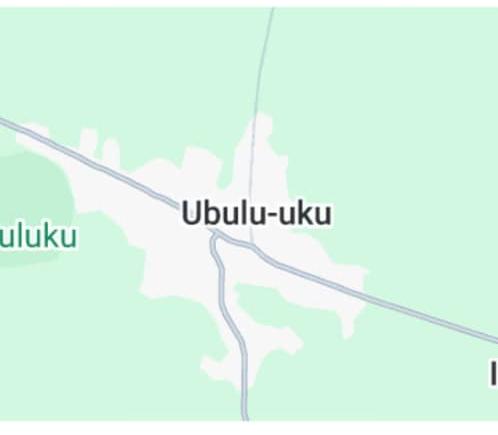
Concern is steadily growing in Ubulu-Uku Kingdom,Aniocha South of Delta state as the host community pushes back against what it describes as an unjust alliance between the Delta State Government and a private investor, Norsworthy Farms and Agro-Allied Industries Ltd, over the controversial Akehie River Government Forest Reserve.
At the heart of the dispute lies a 1,706-hectare expanse of forest land, a significant portion—over 67 percent—belonging to Ubulu-Uku, particularly the Isho community. The land, regarded as ancestral heritage and a critical economic lifeline, has reportedly been earmarked for an oil palm plantation project under a Public-Private Partnership (PPP) arrangement without adequate consultation with its original custodians.
From the perspective of the host community, the central issue is not development itself, but the process. The Ubulu-Uku people argue that they were sidelined in negotiations that directly affect their land, livelihoods, and future.
Despite a formal communication from the government requesting assistance in vacating the forest reserve, the community maintains that no prior engagement or mutually agreed terms were established before agreements were signed with the private firm.
This perceived exclusion raises fundamental concerns about transparency, fairness, and adherence to due process—especially in a democratic setting where community consent is increasingly viewed as essential in land-based investments.
The situation is further complicated by claims that Ubulu-Uku had previously ceded about 692 hectares of land to the same company without receiving tangible benefits. According to community sources, even the modest obligations earlier agreed upon were allegedly not fulfilled.
In contrast, the neighboring Ashama community, which holds a smaller share of the forest reserve, has reportedly received compensation and is already witnessing plantation activities on its side of the land.
This disparity has deepened resentment, with many in Ubulu-Uku interpreting it as evidence of selective engagement and unequal treatment.
Beyond issues of consent and compensation, the dispute also raises critical legal and environmental questions. The Akehie Forest Reserve falls under established forestry laws that guarantee indigenous rights such as farming, fishing, hunting, and access to natural resources.
Community stakeholders argue that the conversion of the reserve into a large-scale plantation threatens to override these rights, effectively displacing traditional livelihoods without clear legal justification.
Equally troubling is the apparent lack of clarity regarding environmental impact assessments. For a project of this scale, the absence of publicly available environmental reports fuels fears of ecological degradation, loss of biodiversity, and long-term harm to the local ecosystem.
Adding another layer of controversy are allegations that powerful political interests may be driving the project. Claims that the company involved has links to influential former government figures have heightened suspicion within the community.
While these claims remain unverified, they contribute to a broader narrative of distrust, where government actions are seen as prioritizing elite interests over grassroots welfare.
This unfolding crisis in Ubulu-Uku reflects a recurring challenge across resource-rich communities: balancing economic development with social justice.
While the Delta State Government may view the oil palm project as a pathway to agricultural expansion and economic growth, the host community insists that development cannot come at the cost of marginalization.
For Ubulu-Uku, the demands are clear recognition as critical stakeholders, transparent negotiations, fair compensation, and respect for their ancestral rights.
As the situation develops, the Akehie Forest Reserve dispute stands as a test case for governance, accountability, and community engagement in Delta State. Whether authorities can bridge the widening trust gap will not only determine the fate of the project but also set a precedent for future land and investment policies in the region.
For now, the voice from Ubulu-Uku is resolute: development must be inclusive, or it risks deepening divisions rather than fostering progress.